



Maize seed production: expertise at the service of quality
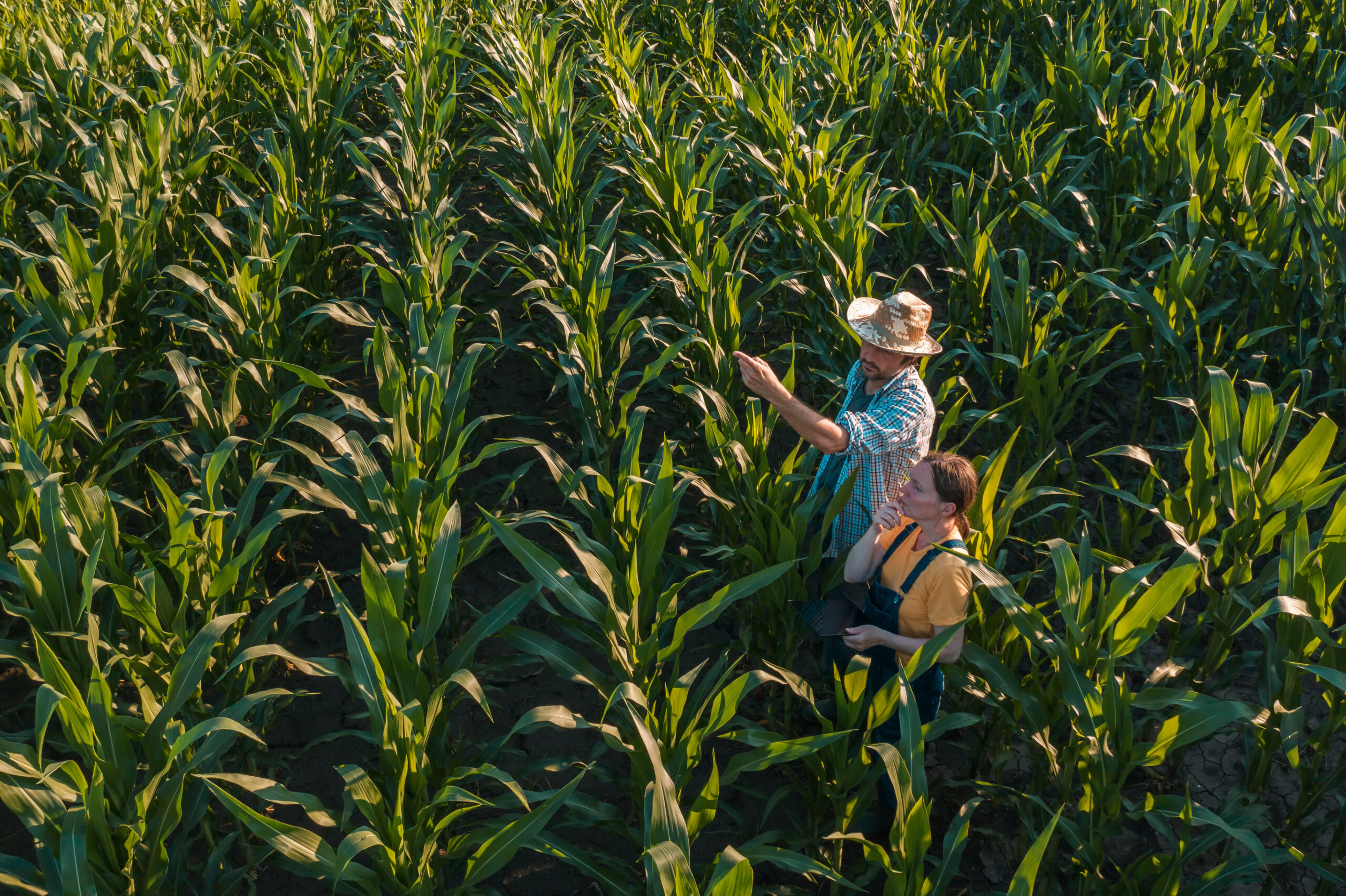
Bruno Gabastou, maize seed inspector

For 30 years, Bruno Gabastou has been surveying maize seed multiplication plots to check their compliance. His role: inspector of maize and sorghum seed crops. This expertise, combined with his experience within the FNPSMS laboratory, led him this year to Togo to conduct an assessment of the national laboratory with a view to a potential upskilling of the teams and equipment. Interview.
Bruno Gabastou, what exactly is your role?
In what way is this mission crucial?
This function is one of the essential links to ensure quality maize seed production in line with the requirements of the French technical regulations. Among the inspected criteria are: the quality of rogueing (purification), detasseling (castration), and compliance with isolation rules. For each of these elements, tolerance thresholds are accepted: it is my duty to verify that they are not exceeded. For the “rogueing” criterion, for example, an “off-type or aberrant” rate of 2 per 1000 is authorized, no more. Similarly, a maize seed multiplication plot must not be located less than 200 meters from a maize plot intended for consumption: this is to prevent any unwanted pollen cross-contamination and thus preserve the purity of the multiplied varieties.
Seed quality control also takes place in the laboratory. What elements are verified there?
Indeed, once the seeds are multiplied and harvested, new checks take place in the laboratory before the SOC certificate label is affixed to the bags sold to farmers. We verify variety identity and purity, germination capacity (which must be at least 95%), moisture content, and the absence of harmful organisms. These controls, at each stage of production, guarantee SOC France certification: a recognition of the quality of varieties produced in France, for French maize growers but also beyond our borders. As a reminder, nearly 65% of the maize seed batches produced in the country are exported.
Your role led you to Togo in 2025. Can you tell us more about it?
Expertise at the service of maize seed performance
In short, maize seed multiplication is a high-precision process where every step is decisive. As Bruno Gabastou explains, premium seed quality can only be guaranteed through a rigorous alliance between field expertise via the strict inspection of multiplication plots and technological innovation in the laboratory.