


Maize and the Environment: What’s Really Happening in the Fields?
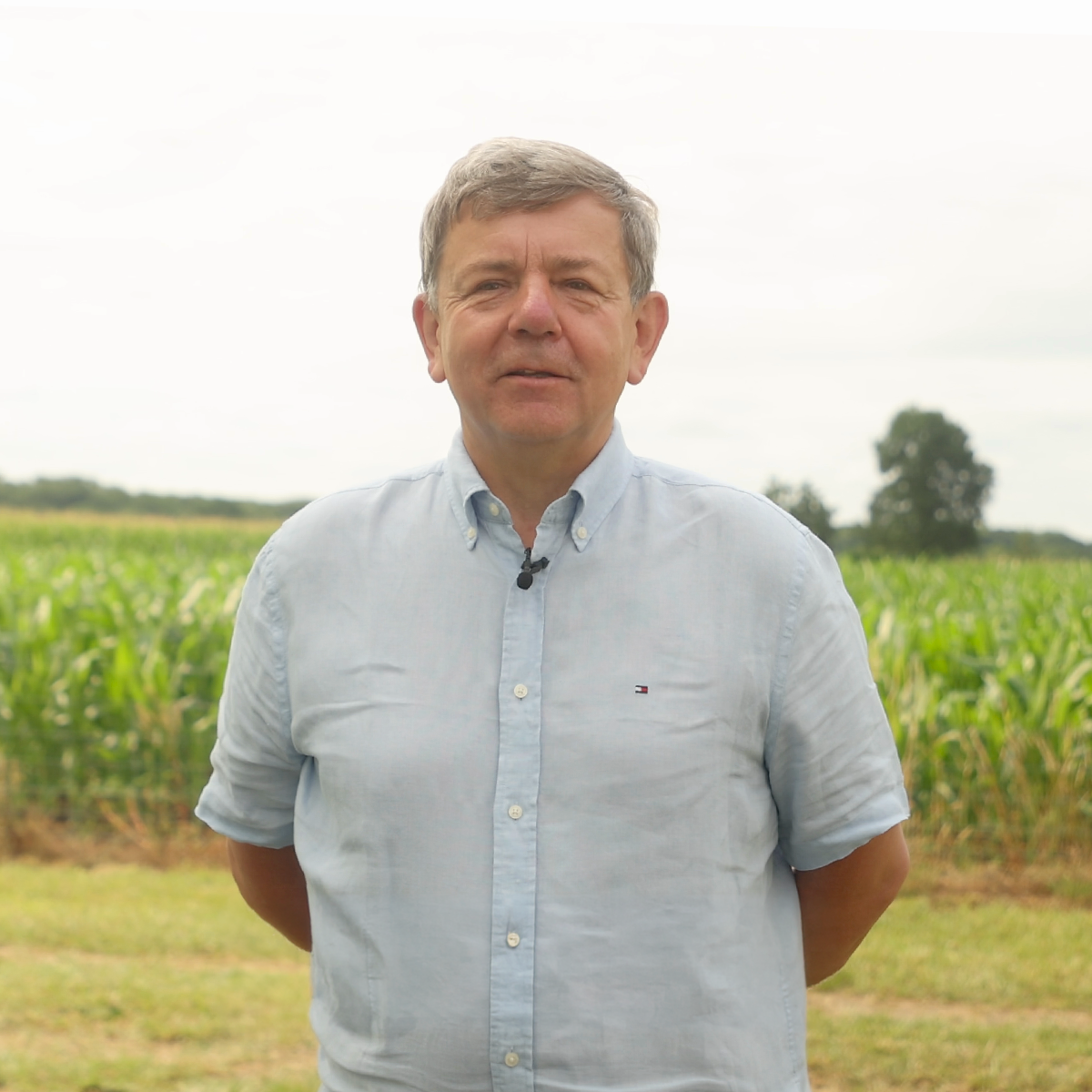
Environmental debates surrounding agricultural crops are sometimes reduced to simple slogans. Andrzej Kurtys prefers to talk about what he observes and what he actually does on his fields: the number of interventions, crop protection, plant residues, and soil function.
When Andrzej talks about the environment, his first point is very practical: the number of passes through the fields. On his farm, he explains that when weed control is carried out at the right time, a single pass is sometimes enough to provide most of the protection his corn needs. He also notes that he currently does not apply any fungicide treatments to this crop.
In certain situations, depending on the field’s fertility and the level of pest pressure, protection can even be concentrated into a single pass; however, he notes that he sometimes resorts to other treatments, particularly against certain insects or for foliar applications.
Fewer interventions: an agronomic challenge, but also an energy challenge
Every trip avoided also means less time spent working and less fuel consumed.
This is one of the arguments put forward in the European campaign, which links the minimal use of interventions to a reduction in the resources consumed in fieldwork.
Andrzej’s experience offers something essential here: real-world insights, with practices that depend on the conditions of the plot and the year.
Biomass that returns to the soil
Andrzej also emphasizes the importance of crop residues. In his experience, a significant amount of biomass remains on the field after harvest, decomposes, and contributes to soil activity and fertility.
Maize also has a unique photosynthetic mechanism, known as C4, which is highlighted in the report as one of the factors contributing to its ability to efficiently utilize summer light and heat.
Corn, a crop with exemplary carbon performance.

A naturally resilient crop that requires fewer treatments and field interventions.
Maize is among the crops that require relatively few interventions throughout its growing cycle. Fewer passes through the fields directly translate to lower fuel consumption and reduced greenhouse gas emissions. Combined with agronomic advances and precision farming practices, this efficiency significantly improves the crop’s carbon footprint. A quiet but meaningful achievement driven every day by the expertise and dedication of growers.