


Producing more here to depend less elsewhere: what corn has changed in Poland
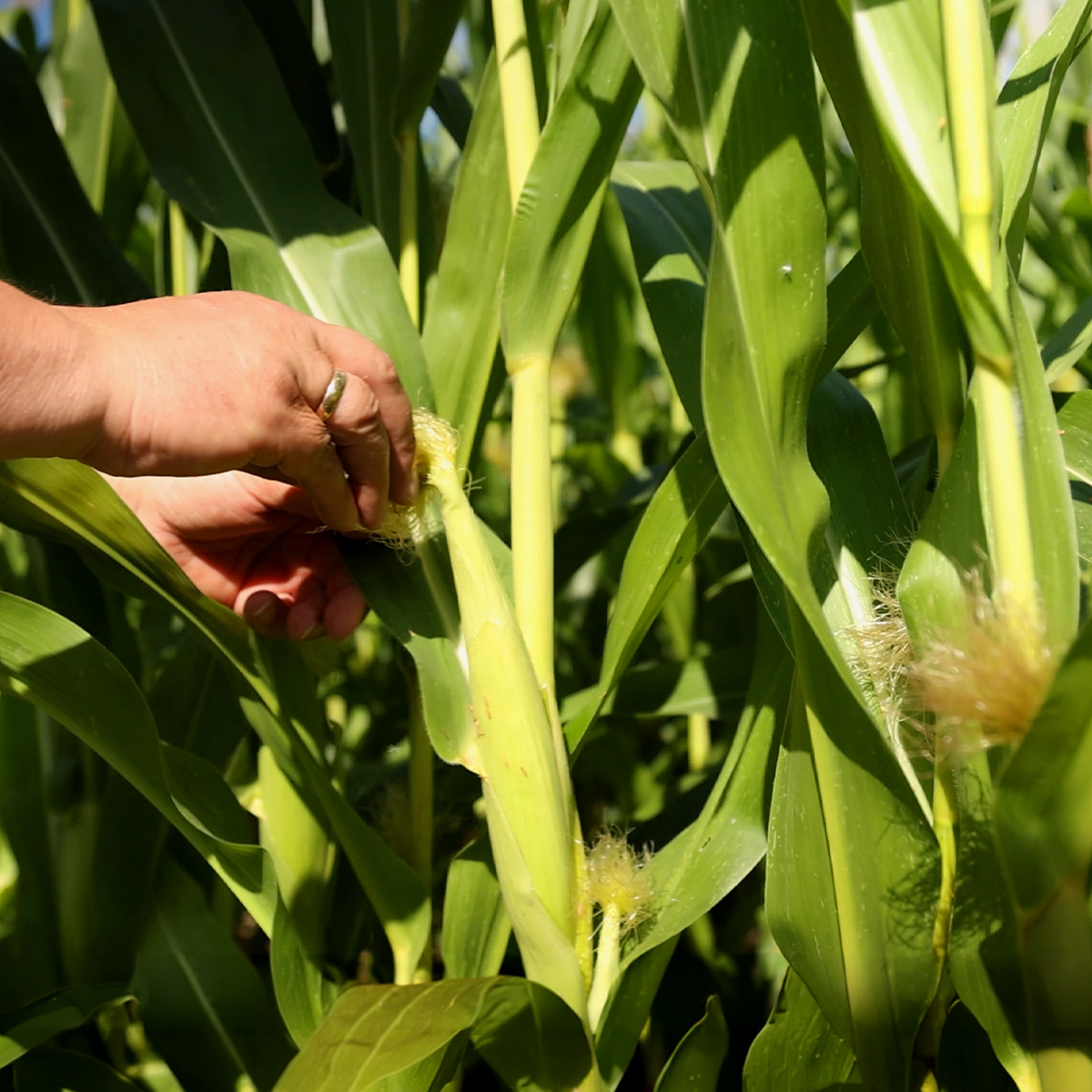
For Andrzej Kurtys, the development of corn in Poland goes far beyond an increase in acreage. The crop responds to very concrete needs: producing more per hectare, supplying animal feed sectors, reducing import dependency, and creating market outlets for farmers.
Andrzej has seen the role of corn evolve profoundly in his country. He explains that corn acreage has grown significantly in Poland, particularly areas dedicated to grain corn. For him, this trend has helped reduce the country’s dependence on imports, even enabling exports.
Producing where the needs are
This production also finds local market outlets. Specifically, Andrzej links the development of corn to that of the Polish poultry industry. Feed manufacturers, as well as certain farms with their own feed-processing facilities, represent major corn buyers for him.
Behind the sometimes abstract word of “sovereignty,” there is therefore a simple reality: producing on domestic soil a raw material that processing sectors need. This is also one of corn’s major strengths on a European scale: its production capacity can indeed help secure human and animal food supplies and reduce import dependency.
The shortest path to food self-sufficiency runs through our fields.
Maize is a crop that contributes to food self-reliance. By producing more maize, one imports less.
Producing more in Europe also means reducing dependence on imports. Thanks to its yield potential and wide range of uses, maize plays a strategic role in human and animal nutrition. This production capacity strengthens food sovereignty while securing European agricultural supply chains. A major challenge carried forward each season by farmers.
When every hectare counts
Andrzej adds a second element: yield. Under his conditions, he observes that corn’s potential is higher than that of other crops and believes its introduction can increase the volume of grain produced per hectare. This argument becomes particularly important as available agricultural land decreases.
Producing, but also creating market outlets
Furthermore, corn has a wide variety of uses: animal feed, human food, industry, or energy. This versatility is one of the economic strengths of the crop. And for Andrzej, this reality is very concrete: his farm is located near a port, which greatly facilitates access to export markets.
Producing locally, feeding European sectors, and preserving multiple possible market outlets: this is also how corn secures the economy of European farms and regions.
→ Learn about the main uses and markets for European corn.